
3 products
Sort by:
3 products
3 products


What exactly is maltodextrin?
Maltodextrin is a carbohydrate obtained by partial hydrolysis of starch. It is derived from a vegetable starch—most often corn in Europe, sometimes wheat, rice, potato, or cassava—and its long chains are broken into shorter fragments using enzymes or acids. The result is a white, highly soluble, almost tasteless powder.
The degree of breakdown is measured by the dextrose equivalent (DE). By convention, maltodextrin has a DE between 3 and 20: below this, it remains starch; above 20, it is called glucose syrup. The higher the DE, the shorter the chains, and the sweeter and more rapidly absorbed the powder.
In terms of nutritional values, there are no surprises: approximately 4 kcal per gram, or 380 to 400 kcal per 100 g of powder, of which 95 to 100 g are carbohydrates, with no protein, fat, or fiber. It is a pure energy source, nothing else.
Two specific characteristics explain its success in sports nutrition. It has almost no sweet taste in the mouth, yet it behaves like a fast-acting carbohydrate in the body. And, composed of chains rather than isolated molecules, it exerts lower osmotic pressure than the same amount of glucose: at equal concentration, a maltodextrin drink is better tolerated by the stomach.
Is maltodextrin dangerous?
This is by far the most frequently asked question about this product, and it deserves a precise answer rather than a slogan.
Maltodextrin is an authorized food ingredient in Europe, used for decades in the food industry and in sports supplements. It has no fixed daily limit, and nothing in the available health assessments classifies it as a toxic substance. It is not a suspicious additive: it is fragmented starch.
This does not mean it is harmless. Three points deserve real attention:
- Its glycemic index is very high. Tables rank it high, on par with glucose. Taken outside of exercise, it causes a rapid rise in blood sugar followed by a drop, often accompanied by fatigue and hunger. This is the main drawback, and it affects everyone.
- It is very easy to consume in excess. It doesn't fill the stomach and is consumed without much thought: one hundred grams of powder is nearly 400 kcal that you don't feel like you've eaten. For those who don't expend an equivalent amount, it's a silent surplus.
- The question of the microbiota remains open. Experimental work, mainly conducted in vitro or on animals, has suggested that high consumption of maltodextrin could alter the intestinal flora or the mucus layer protecting the gut wall. These results have been widely circulated; we will not present them as proof, as human data are currently too limited to draw a definitive conclusion either way. Stating that the risk is proven would be dishonest; saying the matter is settled would be equally so. In case of chronic inflammatory bowel disease, discuss it with your doctor before consuming it regularly.
For diabetic individuals, maltodextrin is not a product to be incorporated on one's own initiative: its effect on blood sugar is comparable to that of glucose. Any use must be discussed with the treating physician.
Common side effects are digestive and depend on the drink's concentration: bloating, cramps, accelerated transit beyond 8g of powder per 100ml of water. Further dilution is almost always sufficient. A little-known detail: sipping a carbohydrate drink for an hour creates an environment favorable to cavities—rinse your mouth at the end of the session.
Does maltodextrin contain gluten?
In Europe, the vast majority of maltodextrins used in sports are derived from corn, which does not contain gluten. This is the default case, and the botanical origin is indicated on the label.
The case of wheat requires an explanation. European consumer information regulations specifically exempt wheat-based maltodextrins from mandatory allergen labeling: the hydrolysis process effectively eliminates the protein fractions involved. Our advice, however, remains cautious: if you are celiac, choose a powder whose corn or cassava origin is clearly stated and check for traces.
When is maltodextrin truly useful?
It has a genuinely useful application domain, which is narrower than marketing suggests.
It is useful
- During prolonged exercise—beyond 75 to 90 minutes, when glycogen begins to limit performance: cycling, trail running, triathlon, very high-volume strength training.
- Between two closely spaced sessions—less than six hours apart, and a solid meal would not be tolerated.
- To add liquid calories for mass gain when appetite is the limiting factor: this is the principle of a gainer, of which it is often the primary ingredient.
It is not useful
- For a weight training session of 45 to 75 minutes. Glycogen largely covers the effort: drinking carbohydrates during the session brings no measurable benefit, only calories.
- Outside of training, where a real carbohydrate food will do the same job while being more satiating: rice cream, oat flour, rice, bread, fruit.
- On rest days. No reason to take it.
In other words: maltodextrin is an exercise tool, not a daily supplement.
How to dose maltodextrin around exercise?
- During prolonged exercise: standard endurance nutrition guidelines suggest an intake of 30 to 60 g of carbohydrates per hour. Dilute to 6-8%, i.e., 60 to 80 g per liter of water—beyond this, gastric emptying slows down, and digestive discomfort quickly sets in.
- After the session: 0.5 to 1 g per kg of body weight makes sense if a second session follows within the day. Otherwise, the next meal replenishes glycogen without additional powder.
- In a mass-gain shake: 50 to 100 g with protein powder, adding 200 to 400 kcal. Remember to adjust your calorie intake elsewhere if the goal is not to gain weight.
- What to combine it with: water, a dose of electrolytes in hot weather, possibly essential amino acids for very long sessions.
Always test your drink during training before using it in competition: digestive tolerance to carbohydrates can be improved, and race day is not the time to find out.
Maltodextrin, cyclic dextrin, or waxy maize: which to choose?
- Maltodextrin — the standard, best-documented, and by far the cheapest per kilo. It adequately covers most needs.
- Cyclic dextrin — higher molecular weight and lower osmolality, making it more comfortable at high concentrations. The extra cost is only justified for long sessions where digestion is a real problem.
- Waxy maize — waxy corn starch, marketed as a "slow" carbohydrate. Available data do not definitively prove a performance advantage. Consider it primarily for its price.
- Dextrose — simple sugar, sweeter, higher osmolality, thus less comfortable in concentrated drinks.
For food use and not for exercise, this is not the right product family: look at the oat and rice cream sections instead.
Frequently Asked Questions
What is maltodextrin?
A carbohydrate obtained by enzymatically breaking down a vegetable starch—most often corn, sometimes wheat, rice, potato, or cassava—into shorter chains. The result is a white, highly soluble, almost tasteless powder that provides approximately 4 kcal per gram and contains no protein, fat, or fiber. It is neither a suspicious additive nor a supplement: it is pre-digested starch, whose interest lies in two properties—it has almost no sweet taste, and it exerts lower osmotic pressure than glucose, so it is better tolerated in concentrated drinks.
Why take maltodextrin?
For one thing: to provide rapidly absorbable carbohydrates, in liquid form, where food would not be suitable. This covers three practical situations—during exercise lasting more than 75 to 90 minutes, between two sessions separated by less than six hours, and in a mass-gain shake when appetite is the limiting factor. Outside of these cases, it offers nothing that a bowl of rice or oat flour wouldn't do better, with more satiety and at a lower cost.
When and how to take maltodextrin?
During prolonged exercise: 30 to 60 g of carbohydrates per hour, diluted to 6-8%, i.e., 60 to 80 g per liter of water, sipped regularly rather than consumed all at once. Beyond 8 g per 100 ml, gastric emptying slows down, and discomfort quickly arises. After the session: 0.5 to 1 g per kg of body weight, but only if a second session follows within the day—otherwise, the next meal does the job. In a mass-gain shake: 50 to 100 g with protein, adding 200 to 400 kcal. A final principle: always test your drink during training, never on competition day.
Which maltodextrin to choose?
Chemically, corn maltodextrin remains corn maltodextrin, regardless of the brand: there is no superior quality to be found. Four points are sufficient to compare two bags. The origin of the starch, clearly indicated—corn or cassava if you are celiac. The DE when announced: the lower it is, the less sweet the powder and the lower the osmolality, making the drink more comfortable at high concentrations. The ingredient list, which should be a single line for a natural product. And the price per kilo, the only criterion that truly distinguishes two equivalent powders. The rest is packaging.
Is maltodextrin good for health?
Neither good nor bad: it's an energy source, not a health food. It provides no micronutrients, no fiber, and its glycemic index is among the highest available—which is an advantage during exercise and a drawback everywhere else. Used at the right time, it is perfectly safe for a healthy adult; consumed at rest, it produces a blood sugar spike followed by a crash, and calories that you didn't feel like you ate. Two honest reservations: the question of its effect on the microbiota remains open due to insufficient human data, and diabetic individuals should not incorporate it without medical advice.
What are the side effects of maltodextrin?
Mainly digestive, and related to concentration: bloating, cramps, accelerated transit. Dilute more and split doses. A rapid rise in blood sugar followed by fatigue is also common when taken at rest. Finally, sipping a carbohydrate drink for an hour creates an environment favorable to cavities: rinse your mouth at the end of the session.
Does maltodextrin cause weight gain?
Like any carbohydrate: only if it creates a caloric surplus. Its peculiarity is that it is easy to drink without effort and without satiating, making a surplus easy to create without realizing it. Count it in your daily intake, and it will stop being a problem.
Does maltodextrin contain gluten?
In Europe, the vast majority of maltodextrins used in sports are derived from corn, which does not contain it, and the botanical origin is indicated on the label. The case of wheat requires clarification: European regulations specifically exempt wheat maltodextrins from mandatory allergen labeling, as hydrolysis effectively eliminates the protein fractions involved. If you are celiac, our advice remains to choose a powder whose corn or cassava origin is clearly indicated, and to check for traces.
Maltodextrin or table sugar: what's the difference?
Table sugar is sucrose: one glucose molecule linked to one fructose molecule. Maltodextrin, on the other hand, is only chained glucose. It is much less sweet and is better tolerated in concentrated drinks. Calorically, both are equivalent.
Maltodextrin or dextrose?
Dextrose is pure glucose: immediate assimilation, pronounced sweet taste, but high osmolality limits the usable concentration. Maltodextrin is better tolerated in a water bottle. Many formulas mix the two.
How to replace maltodextrin?
It depends on the use. During prolonged exercise, valid replacements are cyclic dextrin, more comfortable at high concentrations, waxy maize, or simply diluted table sugar, syrup, or grape juice mixed with water—less convenient, but functional. Outside of exercise, don't look for powdered equivalents: ordinary starchy foods will do a better job. For a caloric shake, rice cream or oat flour provide the same carbohydrates with a more moderate glycemic index and real satiating power.
What foods contain maltodextrin?
Much more than one might imagine: sauces, dehydrated soups, prepared meals, biscuits, cured meats, dessert creams, low-fat products, spice blends. It serves as a flavor carrier, texturizer, bulking agent, or anti-caking agent, because it is inexpensive, taste-neutral, and technically convenient. It is also found in sports preparations—gainers, sports drinks, some flavored proteins. Its presence in an ingredient list generally signals a processed product, which is information in itself.
Can diabetics take maltodextrin?
This is a question for a doctor, not for a shelf recommendation. Maltodextrin has an effect on blood sugar comparable to that of glucose, and its use should be decided by the professional managing your treatment.
Should I take it on rest days?
No, unless you are explicitly trying to add calories and nothing else works. A classic carbohydrate food will do a better job by genuinely nourishing you.
Where to buy maltodextrin?
In specialized sports nutrition stores and online, where it is sold in 1 to 5 kg bags—it is one of the products in this category where the price difference per kilo between two equivalent references is most significant. It can also be found in professional grocery stores and food drugstores, in formats intended for cooking. In all cases, check the origin of the starch and ensure the ingredient list contains nothing else. Our products are available online, shipped throughout France and Europe, and in-store in Vendargues, about ten minutes from Montpellier, with pickup within two hours.
What maltodextrins do we offer?
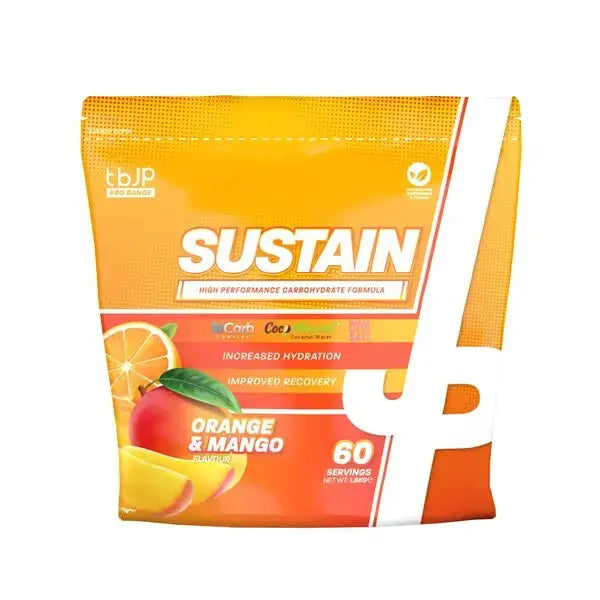
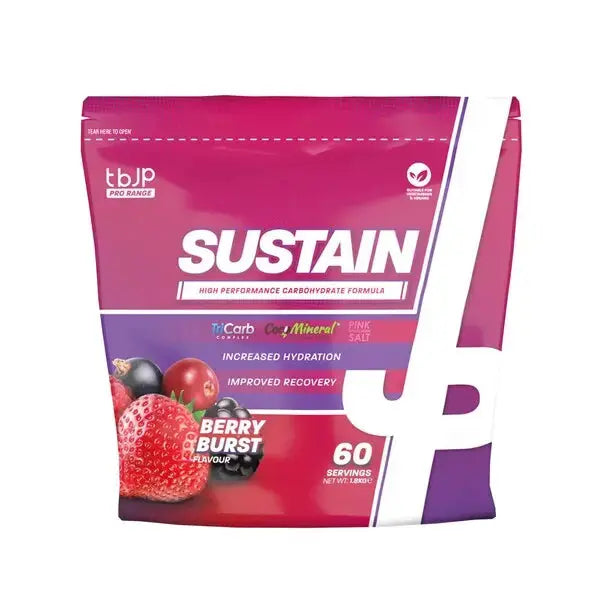
We prioritize powders where the starch origin is indicated and the ingredient list is minimal: Sinob, Olimp, TrainedByJP, and IO Genix intra-training formulas. Depending on the goal, the logical next step is lean gainer, creatine monohydrate, or whey isolate.
Where to buy it around Montpellier?
Maltodextrin is bought in multi-kilogram bags: comparing the grain and price per kilo before deciding makes sense. Everything is in stock at our store in Vendargues, about ten minutes from Montpellier, where we will tell you frankly if your session justifies a carbohydrate drink or if you don't need one. We also ship everywhere in France and Europe.
Sources
- ANSES — Opinion on the update of recommended nutrient intakes for carbohydrates
- ANSES — Ciqual table of nutritional composition of foods
To be integrated into a varied and balanced diet and a healthy lifestyle. This information does not replace medical advice.
To learn more: what maltodextrin is really for.
Retrait au magasin sous 2 h
À Vendargues, près de Montpellier. Vous êtes prévenu dès que la commande est prête.
Commandé avant 14 h, expédié le jour même
Du lundi au samedi. Le délai d'acheminement appartient ensuite au transporteur.
Livraison offerte dès 50 €
En France métropolitaine, et dès 100 € en Europe. Modes et délais.
Une question avant de commander ?
Écrivez-nous ou passez au magasin : on connaît les produits qu'on vend.
What exactly is maltodextrin?
Maltodextrin is a carbohydrate obtained by partial hydrolysis of starch. It is derived from a vegetable starch—most often corn in Europe, sometimes wheat, rice, potato, or cassava—and its long chains are broken into shorter fragments using enzymes or acids. The result is a white, highly soluble, almost tasteless powder.
The degree of breakdown is measured by the dextrose equivalent (DE). By convention, maltodextrin has a DE between 3 and 20: below this, it remains starch; above 20, it is called glucose syrup. The higher the DE, the shorter the chains, and the sweeter and more rapidly absorbed the powder.
In terms of nutritional values, there are no surprises: approximately 4 kcal per gram, or 380 to 400 kcal per 100 g of powder, of which 95 to 100 g are carbohydrates, with no protein, fat, or fiber. It is a pure energy source, nothing else.
Two specific characteristics explain its success in sports nutrition. It has almost no sweet taste in the mouth, yet it behaves like a fast-acting carbohydrate in the body. And, composed of chains rather than isolated molecules, it exerts lower osmotic pressure than the same amount of glucose: at equal concentration, a maltodextrin drink is better tolerated by the stomach.
Is maltodextrin dangerous?
This is by far the most frequently asked question about this product, and it deserves a precise answer rather than a slogan.
Maltodextrin is an authorized food ingredient in Europe, used for decades in the food industry and in sports supplements. It has no fixed daily limit, and nothing in the available health assessments classifies it as a toxic substance. It is not a suspicious additive: it is fragmented starch.
This does not mean it is harmless. Three points deserve real attention:
- Its glycemic index is very high. Tables rank it high, on par with glucose. Taken outside of exercise, it causes a rapid rise in blood sugar followed by a drop, often accompanied by fatigue and hunger. This is the main drawback, and it affects everyone.
- It is very easy to consume in excess. It doesn't fill the stomach and is consumed without much thought: one hundred grams of powder is nearly 400 kcal that you don't feel like you've eaten. For those who don't expend an equivalent amount, it's a silent surplus.
- The question of the microbiota remains open. Experimental work, mainly conducted in vitro or on animals, has suggested that high consumption of maltodextrin could alter the intestinal flora or the mucus layer protecting the gut wall. These results have been widely circulated; we will not present them as proof, as human data are currently too limited to draw a definitive conclusion either way. Stating that the risk is proven would be dishonest; saying the matter is settled would be equally so. In case of chronic inflammatory bowel disease, discuss it with your doctor before consuming it regularly.
For diabetic individuals, maltodextrin is not a product to be incorporated on one's own initiative: its effect on blood sugar is comparable to that of glucose. Any use must be discussed with the treating physician.
Common side effects are digestive and depend on the drink's concentration: bloating, cramps, accelerated transit beyond 8g of powder per 100ml of water. Further dilution is almost always sufficient. A little-known detail: sipping a carbohydrate drink for an hour creates an environment favorable to cavities—rinse your mouth at the end of the session.
Does maltodextrin contain gluten?
In Europe, the vast majority of maltodextrins used in sports are derived from corn, which does not contain gluten. This is the default case, and the botanical origin is indicated on the label.
The case of wheat requires an explanation. European consumer information regulations specifically exempt wheat-based maltodextrins from mandatory allergen labeling: the hydrolysis process effectively eliminates the protein fractions involved. Our advice, however, remains cautious: if you are celiac, choose a powder whose corn or cassava origin is clearly stated and check for traces.
When is maltodextrin truly useful?
It has a genuinely useful application domain, which is narrower than marketing suggests.
It is useful
- During prolonged exercise—beyond 75 to 90 minutes, when glycogen begins to limit performance: cycling, trail running, triathlon, very high-volume strength training.
- Between two closely spaced sessions—less than six hours apart, and a solid meal would not be tolerated.
- To add liquid calories for mass gain when appetite is the limiting factor: this is the principle of a gainer, of which it is often the primary ingredient.
It is not useful
- For a weight training session of 45 to 75 minutes. Glycogen largely covers the effort: drinking carbohydrates during the session brings no measurable benefit, only calories.
- Outside of training, where a real carbohydrate food will do the same job while being more satiating: rice cream, oat flour, rice, bread, fruit.
- On rest days. No reason to take it.
In other words: maltodextrin is an exercise tool, not a daily supplement.
How to dose maltodextrin around exercise?
- During prolonged exercise: standard endurance nutrition guidelines suggest an intake of 30 to 60 g of carbohydrates per hour. Dilute to 6-8%, i.e., 60 to 80 g per liter of water—beyond this, gastric emptying slows down, and digestive discomfort quickly sets in.
- After the session: 0.5 to 1 g per kg of body weight makes sense if a second session follows within the day. Otherwise, the next meal replenishes glycogen without additional powder.
- In a mass-gain shake: 50 to 100 g with protein powder, adding 200 to 400 kcal. Remember to adjust your calorie intake elsewhere if the goal is not to gain weight.
- What to combine it with: water, a dose of electrolytes in hot weather, possibly essential amino acids for very long sessions.
Always test your drink during training before using it in competition: digestive tolerance to carbohydrates can be improved, and race day is not the time to find out.
Maltodextrin, cyclic dextrin, or waxy maize: which to choose?
- Maltodextrin — the standard, best-documented, and by far the cheapest per kilo. It adequately covers most needs.
- Cyclic dextrin — higher molecular weight and lower osmolality, making it more comfortable at high concentrations. The extra cost is only justified for long sessions where digestion is a real problem.
- Waxy maize — waxy corn starch, marketed as a "slow" carbohydrate. Available data do not definitively prove a performance advantage. Consider it primarily for its price.
- Dextrose — simple sugar, sweeter, higher osmolality, thus less comfortable in concentrated drinks.
For food use and not for exercise, this is not the right product family: look at the oat and rice cream sections instead.
Frequently Asked Questions
What is maltodextrin?
A carbohydrate obtained by enzymatically breaking down a vegetable starch—most often corn, sometimes wheat, rice, potato, or cassava—into shorter chains. The result is a white, highly soluble, almost tasteless powder that provides approximately 4 kcal per gram and contains no protein, fat, or fiber. It is neither a suspicious additive nor a supplement: it is pre-digested starch, whose interest lies in two properties—it has almost no sweet taste, and it exerts lower osmotic pressure than glucose, so it is better tolerated in concentrated drinks.
Why take maltodextrin?
For one thing: to provide rapidly absorbable carbohydrates, in liquid form, where food would not be suitable. This covers three practical situations—during exercise lasting more than 75 to 90 minutes, between two sessions separated by less than six hours, and in a mass-gain shake when appetite is the limiting factor. Outside of these cases, it offers nothing that a bowl of rice or oat flour wouldn't do better, with more satiety and at a lower cost.
When and how to take maltodextrin?
During prolonged exercise: 30 to 60 g of carbohydrates per hour, diluted to 6-8%, i.e., 60 to 80 g per liter of water, sipped regularly rather than consumed all at once. Beyond 8 g per 100 ml, gastric emptying slows down, and discomfort quickly arises. After the session: 0.5 to 1 g per kg of body weight, but only if a second session follows within the day—otherwise, the next meal does the job. In a mass-gain shake: 50 to 100 g with protein, adding 200 to 400 kcal. A final principle: always test your drink during training, never on competition day.
Which maltodextrin to choose?
Chemically, corn maltodextrin remains corn maltodextrin, regardless of the brand: there is no superior quality to be found. Four points are sufficient to compare two bags. The origin of the starch, clearly indicated—corn or cassava if you are celiac. The DE when announced: the lower it is, the less sweet the powder and the lower the osmolality, making the drink more comfortable at high concentrations. The ingredient list, which should be a single line for a natural product. And the price per kilo, the only criterion that truly distinguishes two equivalent powders. The rest is packaging.
Is maltodextrin good for health?
Neither good nor bad: it's an energy source, not a health food. It provides no micronutrients, no fiber, and its glycemic index is among the highest available—which is an advantage during exercise and a drawback everywhere else. Used at the right time, it is perfectly safe for a healthy adult; consumed at rest, it produces a blood sugar spike followed by a crash, and calories that you didn't feel like you ate. Two honest reservations: the question of its effect on the microbiota remains open due to insufficient human data, and diabetic individuals should not incorporate it without medical advice.
What are the side effects of maltodextrin?
Mainly digestive, and related to concentration: bloating, cramps, accelerated transit. Dilute more and split doses. A rapid rise in blood sugar followed by fatigue is also common when taken at rest. Finally, sipping a carbohydrate drink for an hour creates an environment favorable to cavities: rinse your mouth at the end of the session.
Does maltodextrin cause weight gain?
Like any carbohydrate: only if it creates a caloric surplus. Its peculiarity is that it is easy to drink without effort and without satiating, making a surplus easy to create without realizing it. Count it in your daily intake, and it will stop being a problem.
Does maltodextrin contain gluten?
In Europe, the vast majority of maltodextrins used in sports are derived from corn, which does not contain it, and the botanical origin is indicated on the label. The case of wheat requires clarification: European regulations specifically exempt wheat maltodextrins from mandatory allergen labeling, as hydrolysis effectively eliminates the protein fractions involved. If you are celiac, our advice remains to choose a powder whose corn or cassava origin is clearly indicated, and to check for traces.
Maltodextrin or table sugar: what's the difference?
Table sugar is sucrose: one glucose molecule linked to one fructose molecule. Maltodextrin, on the other hand, is only chained glucose. It is much less sweet and is better tolerated in concentrated drinks. Calorically, both are equivalent.
Maltodextrin or dextrose?
Dextrose is pure glucose: immediate assimilation, pronounced sweet taste, but high osmolality limits the usable concentration. Maltodextrin is better tolerated in a water bottle. Many formulas mix the two.
How to replace maltodextrin?
It depends on the use. During prolonged exercise, valid replacements are cyclic dextrin, more comfortable at high concentrations, waxy maize, or simply diluted table sugar, syrup, or grape juice mixed with water—less convenient, but functional. Outside of exercise, don't look for powdered equivalents: ordinary starchy foods will do a better job. For a caloric shake, rice cream or oat flour provide the same carbohydrates with a more moderate glycemic index and real satiating power.
What foods contain maltodextrin?
Much more than one might imagine: sauces, dehydrated soups, prepared meals, biscuits, cured meats, dessert creams, low-fat products, spice blends. It serves as a flavor carrier, texturizer, bulking agent, or anti-caking agent, because it is inexpensive, taste-neutral, and technically convenient. It is also found in sports preparations—gainers, sports drinks, some flavored proteins. Its presence in an ingredient list generally signals a processed product, which is information in itself.
Can diabetics take maltodextrin?
This is a question for a doctor, not for a shelf recommendation. Maltodextrin has an effect on blood sugar comparable to that of glucose, and its use should be decided by the professional managing your treatment.
Should I take it on rest days?
No, unless you are explicitly trying to add calories and nothing else works. A classic carbohydrate food will do a better job by genuinely nourishing you.
Where to buy maltodextrin?
In specialized sports nutrition stores and online, where it is sold in 1 to 5 kg bags—it is one of the products in this category where the price difference per kilo between two equivalent references is most significant. It can also be found in professional grocery stores and food drugstores, in formats intended for cooking. In all cases, check the origin of the starch and ensure the ingredient list contains nothing else. Our products are available online, shipped throughout France and Europe, and in-store in Vendargues, about ten minutes from Montpellier, with pickup within two hours.
What maltodextrins do we offer?
We prioritize powders where the starch origin is indicated and the ingredient list is minimal: Sinob, Olimp, TrainedByJP, and IO Genix intra-training formulas. Depending on the goal, the logical next step is lean gainer, creatine monohydrate, or whey isolate.
Where to buy it around Montpellier?
Maltodextrin is bought in multi-kilogram bags: comparing the grain and price per kilo before deciding makes sense. Everything is in stock at our store in Vendargues, about ten minutes from Montpellier, where we will tell you frankly if your session justifies a carbohydrate drink or if you don't need one. We also ship everywhere in France and Europe.
Sources
- ANSES — Opinion on the update of recommended nutrient intakes for carbohydrates
- ANSES — Ciqual table of nutritional composition of foods
To be integrated into a varied and balanced diet and a healthy lifestyle. This information does not replace medical advice.
To learn more: what maltodextrin is really for.
