4 products
Sort by:
4 products
4 products


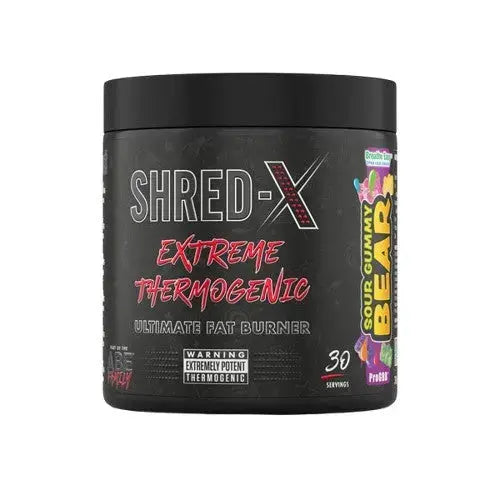
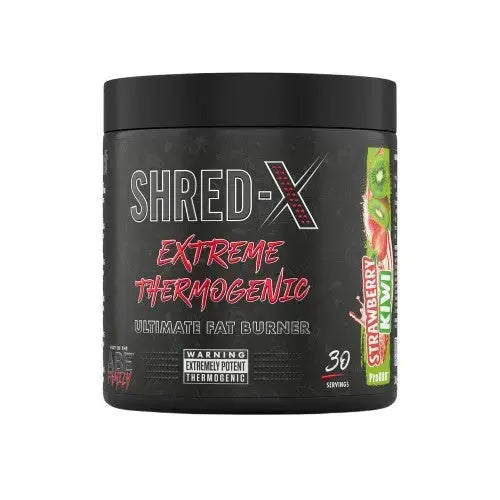


What is a powdered fat burner?
A powdered fat burner is diluted in water and consumed, typically in the morning or before a workout. The active ingredients are the same as in capsules—caffeine, plant extracts, amino acids—but the powdered format allows for two things that capsules do not: adding bulky ingredients and adjusting the dose precisely to the gram.
This is why powdered formulas are often more comprehensive. It's impossible to fit 5g of L-carnitine, 2g of taurine, and an electrolyte complex into two capsules; in a 10g dose to be diluted, it fits easily. Therefore, you frequently find useful quantities of amino acids, sodium, potassium, and magnesium, making this type of product closer to a full-fledged workout drink. If you already consume EAAs or electrolytes, check the labels before combining them.
As with the entire category, it's important to be clear about what the product does: no weight loss claims are permitted in Europe for these supplements. Calorie deficit and physical activity do most of the work; the powder plays a marginal role. The general fat burner page details the real level of evidence for each ingredient family, and our weight loss section gathers what truly matters during a restriction period.
Powder or capsules: what does the format actually change?
With identical composition, both formats deliver the same thing. However, three differences are worth noting.
Water volume. This is the most concrete advantage of powder, and the only one that is objectively measurable. A dose is prepared in 400 to 600 ml of water, and this volume mechanically adds to your daily intake. During a restriction period, where water intake often decreases along with portion sizes, this is more significant than most active ingredients in the formula.
Dose modulation. A scoop can be half-filled. This is the simplest way to test your tolerance to a stimulating formula during the first week, or to reduce intake on days when you've already had several coffees. With a capsule, you either take the dose or you don't.
Taste and convenience. Here, the capsule has the advantage: nothing to prepare, nothing to wash, no flavor to endure. If your day isn't conducive to a shaker, capsule fat burners are the right section for you. And if caffeine is the issue, go directly to caffeine-free formulas.
How to prepare and dose a powdered fat burner?
Dilute one dose in 400 to 600 ml of cold water and drink slowly, over fifteen to thirty minutes rather than all at once. A concentrated powder consumed quickly on an empty stomach often causes digestive discomfort that is entirely avoidable.
Start with half a scoop during the first week. This is the only way to know your reaction before committing to a full dose, and the format allows you to do so without waste.
Monitor your total daily caffeine intake, not just from the product. The EFSA considers that 400 mg per day for healthy adults, and 200 mg in a single dose, do not raise safety concerns. An espresso provides approximately 80 mg, and a dose of thermogenic fat burner frequently 150 to 300 mg. If you also take a booster before your workout, do the math before deciding.
Do not consume it after 4 PM. Caffeine's half-life is around five hours: 200 mg consumed at 5 PM still leaves 100 mg in the blood at 10 PM, and degraded sleep increases the next day's appetite.
Finally, cycle it for four to six weeks, followed by one to two weeks off: tolerance to stimulants develops in two to three weeks.
What should you not expect from a powdered fat burner?
First, no local action: no supplement targets the belly, thighs, or hips. Second, no compensation for excess food intake: if intake exceeds expenditure, even the best-dosed formula on the market won't change anything. And no immediate effect on the scale: the variation observed in the first few days is due to water, especially if the formula contains diuretic ingredients.
What a good product can offer is more modest: available energy to maintain workout intensity despite restriction, higher water intake, and sometimes slightly longer satiety. It's a supplement, to be prioritized after proteins—our proteins and whey isolate protect muscle mass, which no fat burner does.
Side effects are those of stimulants: nervousness, accelerated heart rate, headaches, sleep disturbances, digestive discomfort. Medical advice is essential before use in cases of high blood pressure, cardiac arrhythmia, thyroid disease, diabetes, kidney or liver failure, ongoing treatment, as well as during pregnancy and breastfeeding. These products are not suitable for individuals under 18 years of age.
Frequently Asked Questions
How does a fat burner work?
Through three pathways, none of which involve directly attacking fat. The stimulating pathway: caffeine slightly raises resting energy expenditure and, above all, reduces the perception of effort, which helps maintain workout intensity while eating less. The satiety pathway: soluble fibers occupy volume in the stomach—a mechanical effect, the most verifiable of all. The metabolic pathway: carnitine, chromium, CLA, supposedly facilitating lipid utilization, and this is the one whose results in humans are the most disappointing. In all cases, the product accompanies an energy deficit; it does not create it.
How is fat burned in the body?
Adipose tissue stores lipids as triglycerides. When the body demands energy that it doesn't get from food, enzymes release these triglycerides as fatty acids, which pass into the bloodstream, enter cells, and then into the mitochondria where they are oxidized to produce ATP. The waste products of this combustion are carbon dioxide, eliminated by respiration, and water. In other words: lost fat is mainly exhaled through the lungs. This mechanism is only activated if the energy balance is negative—no ingredient triggers it instead of a deficit.
When should I take a powdered fat burner?
In the morning on an empty stomach or with breakfast, or 20 to 30 minutes before your workout if the formula is training-oriented. Never after 4 PM for a caffeinated formula. A second dose in the early afternoon is possible for products designed to be split—then check the cumulative caffeine for the day, including coffees.
Which fat burner should I choose?
Three criteria, in this order. Label transparency: each ingredient itemized separately, no opaque "blends" that mask proportions. Caffeine per dose, to compare with your actual consumption and the time of your workouts—if you train in the evening, opt for a caffeine-free formula. And the actual daily cost, obtained by dividing the net weight by the weight of one dose, not by the number of servings announced on the front of the tub. Taste comes next, but it matters: a powder you don't drink is useless.
What foods burn belly fat?
None. Neither lemon, pineapple, cucumber, nor green tea: a food provides calories, it doesn't remove them. What some foods do is fill the stomach with few calories—vegetables, whole fruits, fiber-rich foods—which makes maintaining a deficit easier. This is a satiety effect, not a burning effect. And nothing in food targets a specific area of the body: the distribution of fat reserves depends on genetics, sex, and age.
Does being hungry burn fat?
No, hunger is not an indicator of fat loss. It's a hormonal signal triggered by an empty stomach, blood sugar, and meal timing; you can be very hungry without being in a deficit, and be in a deficit without being hungry. Relying on this sensation to manage a diet leads to two errors: believing that you must suffer to make progress, and undereating to the point of losing muscle and giving up a few days later. A moderate deficit, high protein intake, and regular meals yield better results than sustained hunger. If hunger becomes persistent or concerning, the dietary plan needs to be reviewed, with a healthcare professional if necessary.
Do fat-burning teas work?
Green tea is the best-studied plant ingredient in this category, and the observed effect on energy expenditure remains modest—partly explained simply by its caffeine content. No weight loss claims are permitted in Europe for green tea. Herbal teas sold as "detox" or "fat-burning" often play on another register: a diuretic or laxative effect that changes the number on the scale without affecting fat reserves. Drinking tea is pleasant and safe in usual quantities; expecting weight loss from it is another matter.
What should I dilute the powder in?
In water, and only water. Fruit juice or milk add calories to a product whose benefit precisely relies on an energy deficit, and milk poorly masks the bitterness of plant extracts.
Can I drink it during my workout?
For a formula containing amino acids and electrolytes, yes: this is even the most logical use, as it ensures hydration during the session. For a highly concentrated stimulant formula, it's better to take it 20 to 30 minutes before.
Can I mix it with my whey?
It's not recommended. The fat burner is taken in the morning or before the workout, protein rather after; the two are not intended for the same time, and mixing them results in an unpleasant texture.
How long does a tub last?
Divide the net weight by the weight of one dose, not by the number of doses advertised on the front of the tub. This is the only calculation that gives the actual daily cost, and it often reveals that a more expensive tub ends up being cheaper in use.
Powder or capsules for a first purchase?
Powder if you want to test half-dose and increase your water intake, capsules if your priority is to have nothing to prepare. Both sections contain the same families of active ingredients.
Should I take it on non-training days?
The main benefit of a stimulating formula is the energy available for the workout. On rest days, taking it is less justified, and spacing it out limits the development of tolerance.
What brands are in our selection?
We select formulas where each dose is detailed in the nutritional table, without opaque proprietary blends. Applied Nutrition and Rule One cover the majority of the powdered range, with clear dosages and sustainable flavors. SteelFit completes the selection with more specific approaches.
In-store advice near Montpellier
For a powder, the only things that really matter are the nutritional table on the back of the tub, and the taste, which no product description can convey. Our store in Vendargues, about ten minutes from Montpellier, allows you to discuss this before buying a whole tub: directions from the city are available on our sports nutrition in Montpellier page. We also ship everywhere in France and Europe.
Sources: EFSA for opinions on caffeine, ANSES for French recommendations on food supplements for athletes.
Retrait au magasin sous 2 h
À Vendargues, près de Montpellier. Vous êtes prévenu dès que la commande est prête.
Commandé avant 14 h, expédié le jour même
Du lundi au samedi. Le délai d'acheminement appartient ensuite au transporteur.
Livraison offerte dès 50 €
En France métropolitaine, et dès 100 € en Europe. Modes et délais.
Une question avant de commander ?
Écrivez-nous ou passez au magasin : on connaît les produits qu'on vend.
What is a powdered fat burner?
A powdered fat burner is diluted in water and consumed, typically in the morning or before a workout. The active ingredients are the same as in capsules—caffeine, plant extracts, amino acids—but the powdered format allows for two things that capsules do not: adding bulky ingredients and adjusting the dose precisely to the gram.
This is why powdered formulas are often more comprehensive. It's impossible to fit 5g of L-carnitine, 2g of taurine, and an electrolyte complex into two capsules; in a 10g dose to be diluted, it fits easily. Therefore, you frequently find useful quantities of amino acids, sodium, potassium, and magnesium, making this type of product closer to a full-fledged workout drink. If you already consume EAAs or electrolytes, check the labels before combining them.
As with the entire category, it's important to be clear about what the product does: no weight loss claims are permitted in Europe for these supplements. Calorie deficit and physical activity do most of the work; the powder plays a marginal role. The general fat burner page details the real level of evidence for each ingredient family, and our weight loss section gathers what truly matters during a restriction period.
Powder or capsules: what does the format actually change?
With identical composition, both formats deliver the same thing. However, three differences are worth noting.
Water volume. This is the most concrete advantage of powder, and the only one that is objectively measurable. A dose is prepared in 400 to 600 ml of water, and this volume mechanically adds to your daily intake. During a restriction period, where water intake often decreases along with portion sizes, this is more significant than most active ingredients in the formula.
Dose modulation. A scoop can be half-filled. This is the simplest way to test your tolerance to a stimulating formula during the first week, or to reduce intake on days when you've already had several coffees. With a capsule, you either take the dose or you don't.
Taste and convenience. Here, the capsule has the advantage: nothing to prepare, nothing to wash, no flavor to endure. If your day isn't conducive to a shaker, capsule fat burners are the right section for you. And if caffeine is the issue, go directly to caffeine-free formulas.
How to prepare and dose a powdered fat burner?
Dilute one dose in 400 to 600 ml of cold water and drink slowly, over fifteen to thirty minutes rather than all at once. A concentrated powder consumed quickly on an empty stomach often causes digestive discomfort that is entirely avoidable.
Start with half a scoop during the first week. This is the only way to know your reaction before committing to a full dose, and the format allows you to do so without waste.
Monitor your total daily caffeine intake, not just from the product. The EFSA considers that 400 mg per day for healthy adults, and 200 mg in a single dose, do not raise safety concerns. An espresso provides approximately 80 mg, and a dose of thermogenic fat burner frequently 150 to 300 mg. If you also take a booster before your workout, do the math before deciding.
Do not consume it after 4 PM. Caffeine's half-life is around five hours: 200 mg consumed at 5 PM still leaves 100 mg in the blood at 10 PM, and degraded sleep increases the next day's appetite.
Finally, cycle it for four to six weeks, followed by one to two weeks off: tolerance to stimulants develops in two to three weeks.
What should you not expect from a powdered fat burner?
First, no local action: no supplement targets the belly, thighs, or hips. Second, no compensation for excess food intake: if intake exceeds expenditure, even the best-dosed formula on the market won't change anything. And no immediate effect on the scale: the variation observed in the first few days is due to water, especially if the formula contains diuretic ingredients.
What a good product can offer is more modest: available energy to maintain workout intensity despite restriction, higher water intake, and sometimes slightly longer satiety. It's a supplement, to be prioritized after proteins—our proteins and whey isolate protect muscle mass, which no fat burner does.
Side effects are those of stimulants: nervousness, accelerated heart rate, headaches, sleep disturbances, digestive discomfort. Medical advice is essential before use in cases of high blood pressure, cardiac arrhythmia, thyroid disease, diabetes, kidney or liver failure, ongoing treatment, as well as during pregnancy and breastfeeding. These products are not suitable for individuals under 18 years of age.
Frequently Asked Questions
How does a fat burner work?
Through three pathways, none of which involve directly attacking fat. The stimulating pathway: caffeine slightly raises resting energy expenditure and, above all, reduces the perception of effort, which helps maintain workout intensity while eating less. The satiety pathway: soluble fibers occupy volume in the stomach—a mechanical effect, the most verifiable of all. The metabolic pathway: carnitine, chromium, CLA, supposedly facilitating lipid utilization, and this is the one whose results in humans are the most disappointing. In all cases, the product accompanies an energy deficit; it does not create it.
How is fat burned in the body?
Adipose tissue stores lipids as triglycerides. When the body demands energy that it doesn't get from food, enzymes release these triglycerides as fatty acids, which pass into the bloodstream, enter cells, and then into the mitochondria where they are oxidized to produce ATP. The waste products of this combustion are carbon dioxide, eliminated by respiration, and water. In other words: lost fat is mainly exhaled through the lungs. This mechanism is only activated if the energy balance is negative—no ingredient triggers it instead of a deficit.
When should I take a powdered fat burner?
In the morning on an empty stomach or with breakfast, or 20 to 30 minutes before your workout if the formula is training-oriented. Never after 4 PM for a caffeinated formula. A second dose in the early afternoon is possible for products designed to be split—then check the cumulative caffeine for the day, including coffees.
Which fat burner should I choose?
Three criteria, in this order. Label transparency: each ingredient itemized separately, no opaque "blends" that mask proportions. Caffeine per dose, to compare with your actual consumption and the time of your workouts—if you train in the evening, opt for a caffeine-free formula. And the actual daily cost, obtained by dividing the net weight by the weight of one dose, not by the number of servings announced on the front of the tub. Taste comes next, but it matters: a powder you don't drink is useless.
What foods burn belly fat?
None. Neither lemon, pineapple, cucumber, nor green tea: a food provides calories, it doesn't remove them. What some foods do is fill the stomach with few calories—vegetables, whole fruits, fiber-rich foods—which makes maintaining a deficit easier. This is a satiety effect, not a burning effect. And nothing in food targets a specific area of the body: the distribution of fat reserves depends on genetics, sex, and age.
Does being hungry burn fat?
No, hunger is not an indicator of fat loss. It's a hormonal signal triggered by an empty stomach, blood sugar, and meal timing; you can be very hungry without being in a deficit, and be in a deficit without being hungry. Relying on this sensation to manage a diet leads to two errors: believing that you must suffer to make progress, and undereating to the point of losing muscle and giving up a few days later. A moderate deficit, high protein intake, and regular meals yield better results than sustained hunger. If hunger becomes persistent or concerning, the dietary plan needs to be reviewed, with a healthcare professional if necessary.
Do fat-burning teas work?
Green tea is the best-studied plant ingredient in this category, and the observed effect on energy expenditure remains modest—partly explained simply by its caffeine content. No weight loss claims are permitted in Europe for green tea. Herbal teas sold as "detox" or "fat-burning" often play on another register: a diuretic or laxative effect that changes the number on the scale without affecting fat reserves. Drinking tea is pleasant and safe in usual quantities; expecting weight loss from it is another matter.
What should I dilute the powder in?
In water, and only water. Fruit juice or milk add calories to a product whose benefit precisely relies on an energy deficit, and milk poorly masks the bitterness of plant extracts.
Can I drink it during my workout?
For a formula containing amino acids and electrolytes, yes: this is even the most logical use, as it ensures hydration during the session. For a highly concentrated stimulant formula, it's better to take it 20 to 30 minutes before.
Can I mix it with my whey?
It's not recommended. The fat burner is taken in the morning or before the workout, protein rather after; the two are not intended for the same time, and mixing them results in an unpleasant texture.
How long does a tub last?
Divide the net weight by the weight of one dose, not by the number of doses advertised on the front of the tub. This is the only calculation that gives the actual daily cost, and it often reveals that a more expensive tub ends up being cheaper in use.
Powder or capsules for a first purchase?
Powder if you want to test half-dose and increase your water intake, capsules if your priority is to have nothing to prepare. Both sections contain the same families of active ingredients.
Should I take it on non-training days?
The main benefit of a stimulating formula is the energy available for the workout. On rest days, taking it is less justified, and spacing it out limits the development of tolerance.
What brands are in our selection?
We select formulas where each dose is detailed in the nutritional table, without opaque proprietary blends. Applied Nutrition and Rule One cover the majority of the powdered range, with clear dosages and sustainable flavors. SteelFit completes the selection with more specific approaches.
In-store advice near Montpellier
For a powder, the only things that really matter are the nutritional table on the back of the tub, and the taste, which no product description can convey. Our store in Vendargues, about ten minutes from Montpellier, allows you to discuss this before buying a whole tub: directions from the city are available on our sports nutrition in Montpellier page. We also ship everywhere in France and Europe.
Sources: EFSA for opinions on caffeine, ANSES for French recommendations on food supplements for athletes.
